Montague County

Folklore & Legends

Montague County's folklore reflects the specific pressures of a frontier county on the edge of Anglo Texas settlement. The Chisholm Trail passed through; drovers camped at Red River Station and Head of Elm in Saint Jo. Spanish Fort was a battle site, a ghost town, and a source of treasure legend all at once. Out of that history — part documented, part oral tradition, part wishful invention — grew the body of stories this section collects.

These articles are presented with sourcing transparency. Each entry carries a confidence tier (high, medium, or low) and a required sourcing note explaining what is documented and what is not. The editorial position is simple: a story can be worth telling without being true. The legends of Montague County are worth telling. The sourcing tier tells you how much weight to give them.

The research files behind these articles were compiled using the same editorial standards as the factual history corpus — meaning gaps in documentation are disclosed, not papered over. Where claims are flagged as low confidence in the source material, those flags appear in the articles. This is not a debunking project. It is an honest accounting of what the oral record contains and what the documentary record supports.

Well-documented account (1)

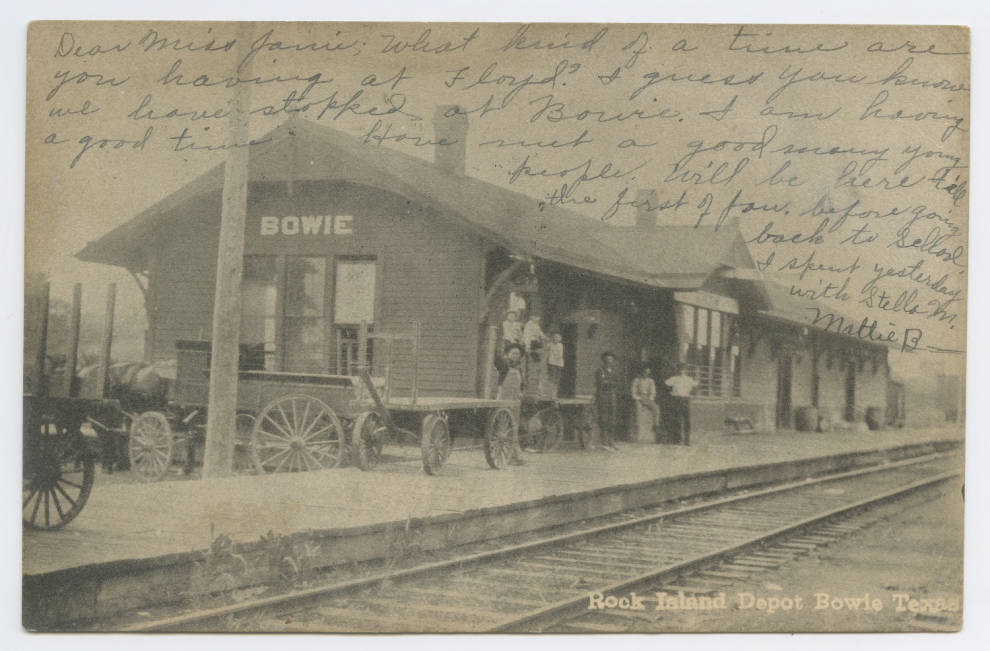
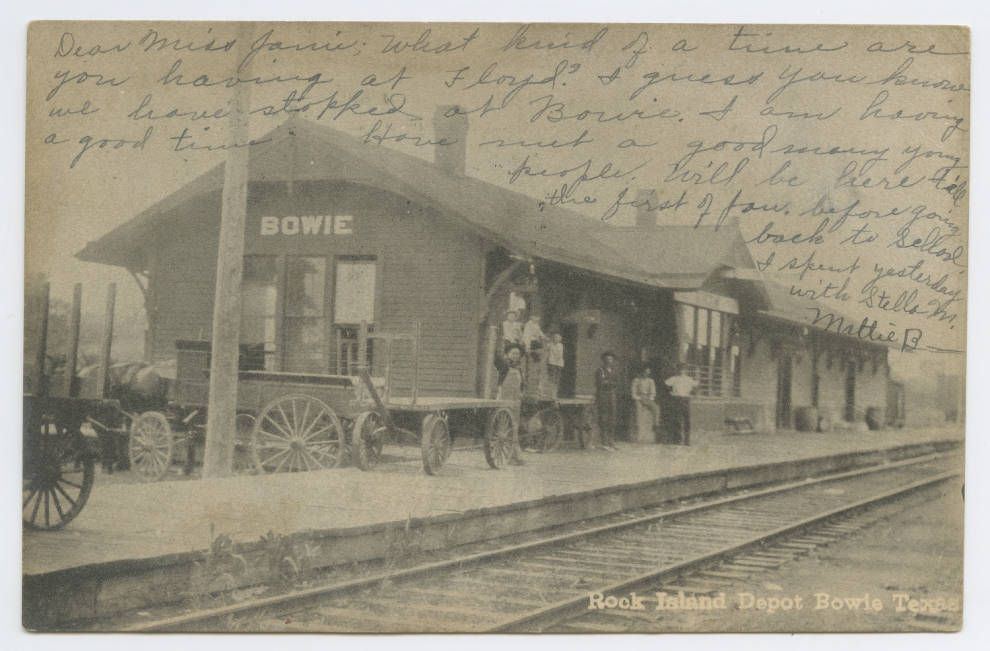
Rock Island Railroad depot in Bowie, Texas, photographed as a postcard on December 25, 1906 — three months before the Hargrove brothers shooting on Smythe Street
Folklore

The 1907 Hargrove Brothers Shooting, Bowie

On March 27, 1907, Walker and Robert Hargroves exchanged gunfire with two Bowie officers on Smythe Street, mortally wounding Constable John Wales. The contemporaneous Fort Worth Record says the officers fired first. The City of Bowie's official history says the Hargroves did. The primary sources and the official narrative tell different stories.

Read article →
Well-documented account

Partially documented; oral tradition elements (5)

Rock Island Railroad depot in Bowie, Texas, December 25, 1906 — the railroad-era downtown that included Smythe Street's 'Smoky Row' district and the Hutchinson Hotel
Folklore

Bowie, 1882–1908: Three Open Historical Questions

Three documented gaps in early Bowie history: the street geography of 'Smoky Row,' the Hutchinson Hotel that appeared in the 1885 Sanborn map and vanished by 1891, and the Bowie barber who took justice into his own hands in September 1907 and then disappeared from the record.

Read article →
Partially documented; oral tradition elements
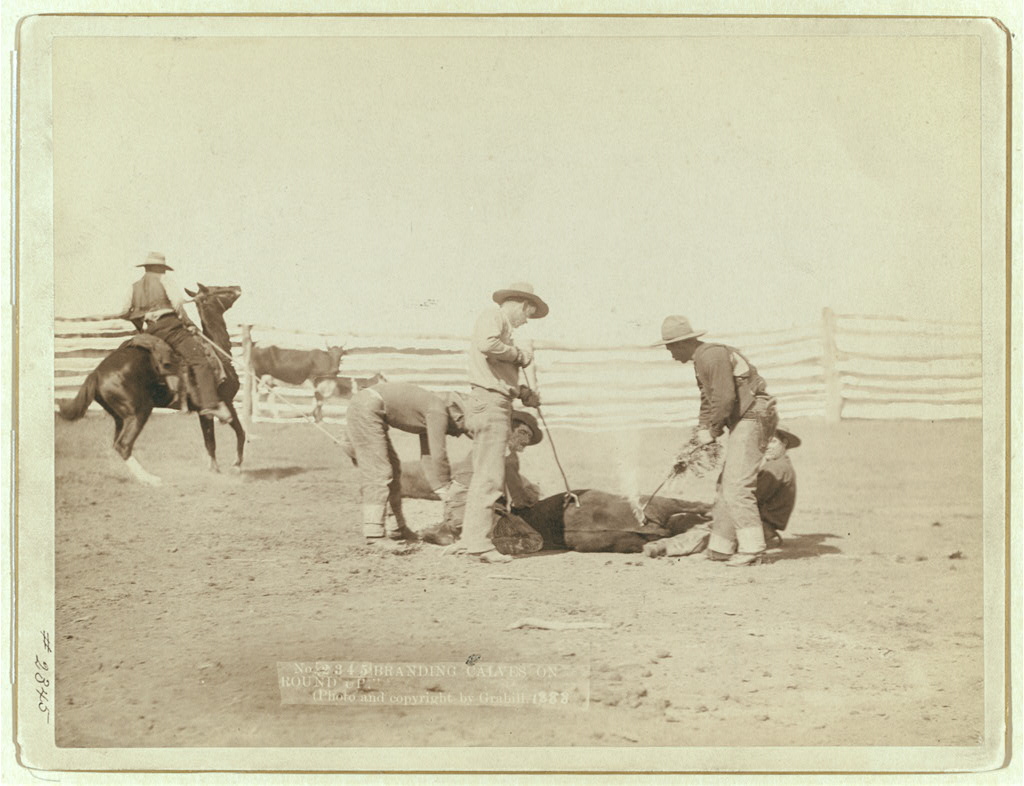
Cowboys branding calves on roundup, South Dakota, 1888 — J.C.H. Grabill photograph documenting the cattle-drive era whose songs and poetry passed through Montague County's Red River Station
Folklore

Cowboy Poetry and Trail Songs: Montague County's Musical Folklore

The Chisholm Trail era produced a substantial body of cowboy songs and poetry. Montague County's position at Red River Station and Saint Jo placed it inside the actual landscape the songs referenced. Named works and documented attributions are distinguished from oral-tradition claims about specific MoCo origins.

Read article →
Partially documented; oral tradition elements
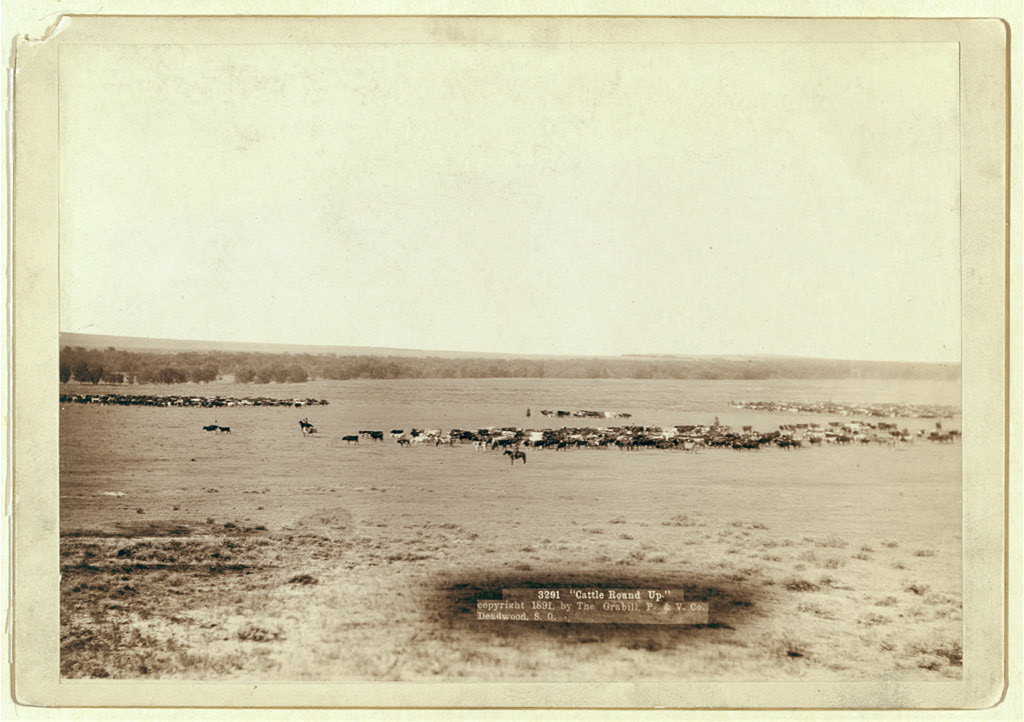
Cattle roundup scene photographed by J.C.H. Grabill, 1888 — the same era as the Chisholm Trail drives through Montague County's Red River Station crossing
Folklore

Ghost Stories of the Chisholm Trail: Legends from the Red River Crossing

The Chisholm Trail passed through Montague County for eighteen years, crossing the Red River at Red River Station. The trail era's documented deaths — drownings, lightning strikes, stampedes — became the foundation for a persistent ghost-story tradition. Historical facts and oral-tradition legends are clearly distinguished.

Read article →
Partially documented; oral tradition elements
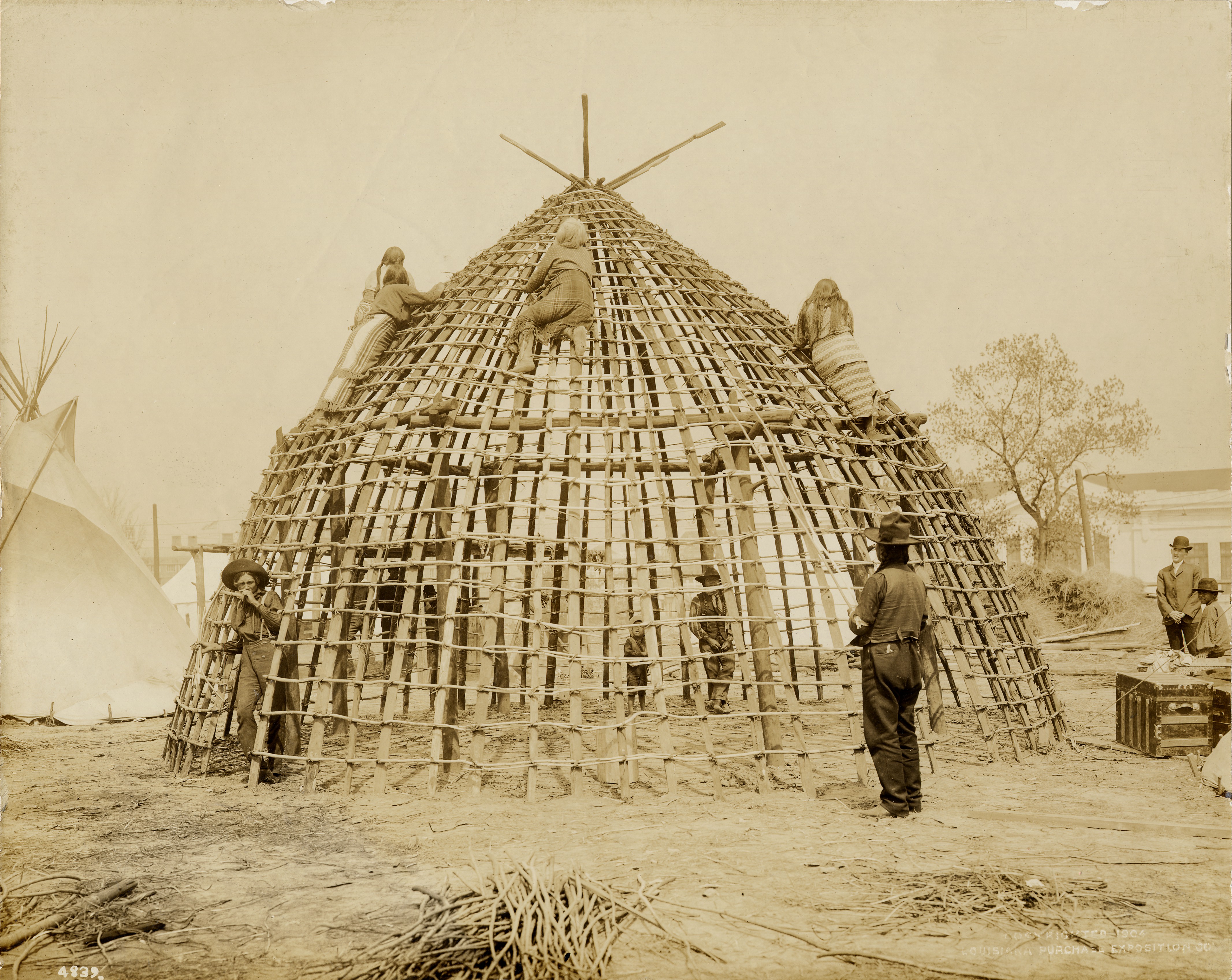
Wichita (Taovaya-Caddoan) people constructing a traditional grass lodge at the 1904 World's Fair — contextual image for the Wichita-Caddoan ancestors who fortified the Spanish Fort site on the Red River
Folklore

Legends of Spanish Fort: Ghost Town Lore on the Red River

Spanish Fort's ghost stories draw on one of the most layered historical sites in Montague County: a fortified Wichita-Caddoan village, a 1759 battle, epidemic deaths, frontier-era violence, and ghost-town decline. The documented history is substantial; the paranormal tradition built on it is oral tradition.

Read article →
Partially documented; oral tradition elements
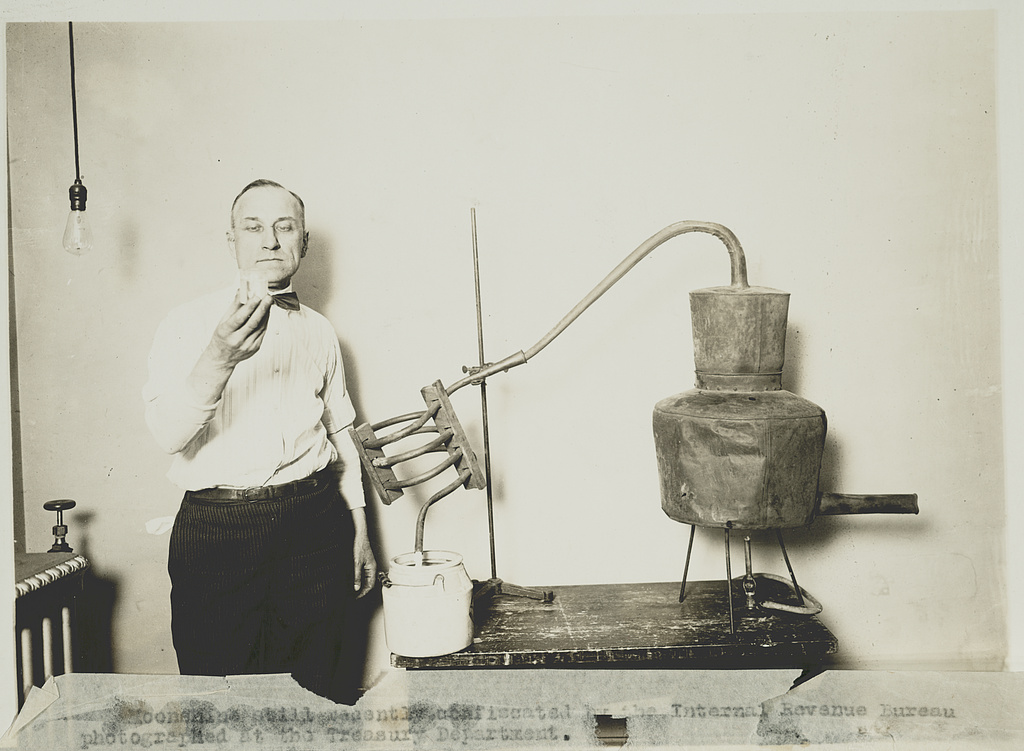
Confiscated moonshine still photographed at the U.S. Treasury Department by the Internal Revenue Bureau, circa 1921–1932
Folklore

Moonshine and Bootlegger Lore: Prohibition Legends of Montague County

Montague County's creek-bottom terrain, dry-county history, and oral tradition preserve a rich layer of Prohibition moonshine folklore. Named-still locations and bootlegger character lore are oral tradition; the dry-county and Prohibition legal context is documented. Companion to the history article on prohibition-and-moonshine.

Read article →
Partially documented; oral tradition elements

Oral tradition only; limited corroboration (5)

Folklore

Buried Treasure and Lost Gold Legends of Montague County

Montague County participates in the Texas tradition of buried-treasure and lost-gold legends. The Singletary brothers gold-search, Spanish Fort's cannon and silver, Comanche-era caches, and outlaw loot stories are examined as folklore, with documented anchors distinguished from oral tradition.

Read article →
Oral tradition only; limited corroboration
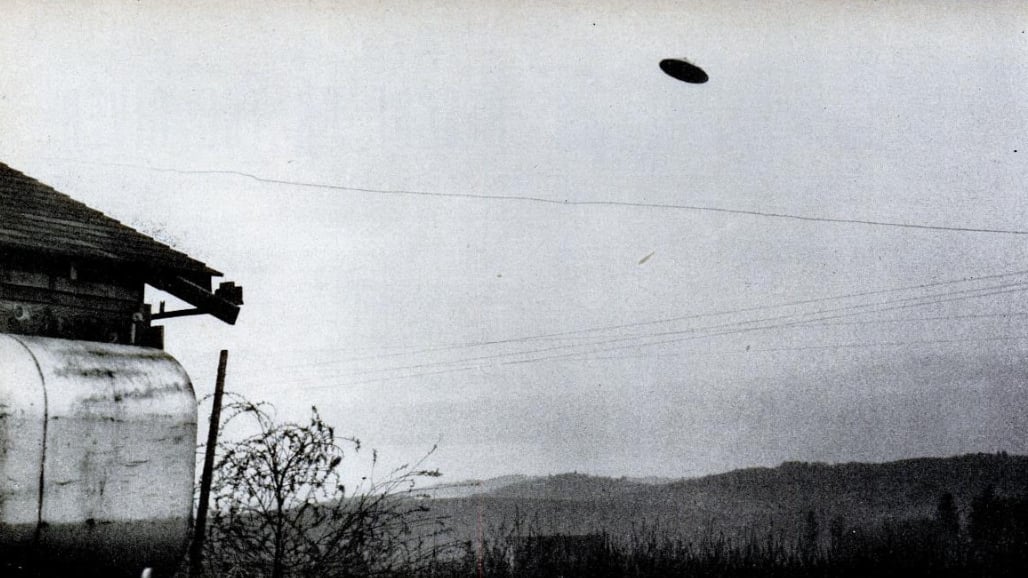
Alleged flying saucer photograph taken by Oregon farmer Paul Trent on May 11, 1950 — one of the most widely reproduced UFO photographs of the 1950s era, contextualizing the national wave of sighting reports that reached rural Texas
Folklore

Cryptids and UFO Rumors in Montague County: Local Legends of the Unexpected

Montague County participates in the broader Texas paranormal landscape with cryptid and UFO traditions. Sparse population, low light pollution, and remote terrain create conditions associated with unusual sighting claims. All accounts are presented as oral tradition, not documented phenomena.

Read article →
Oral tradition only; limited corroboration
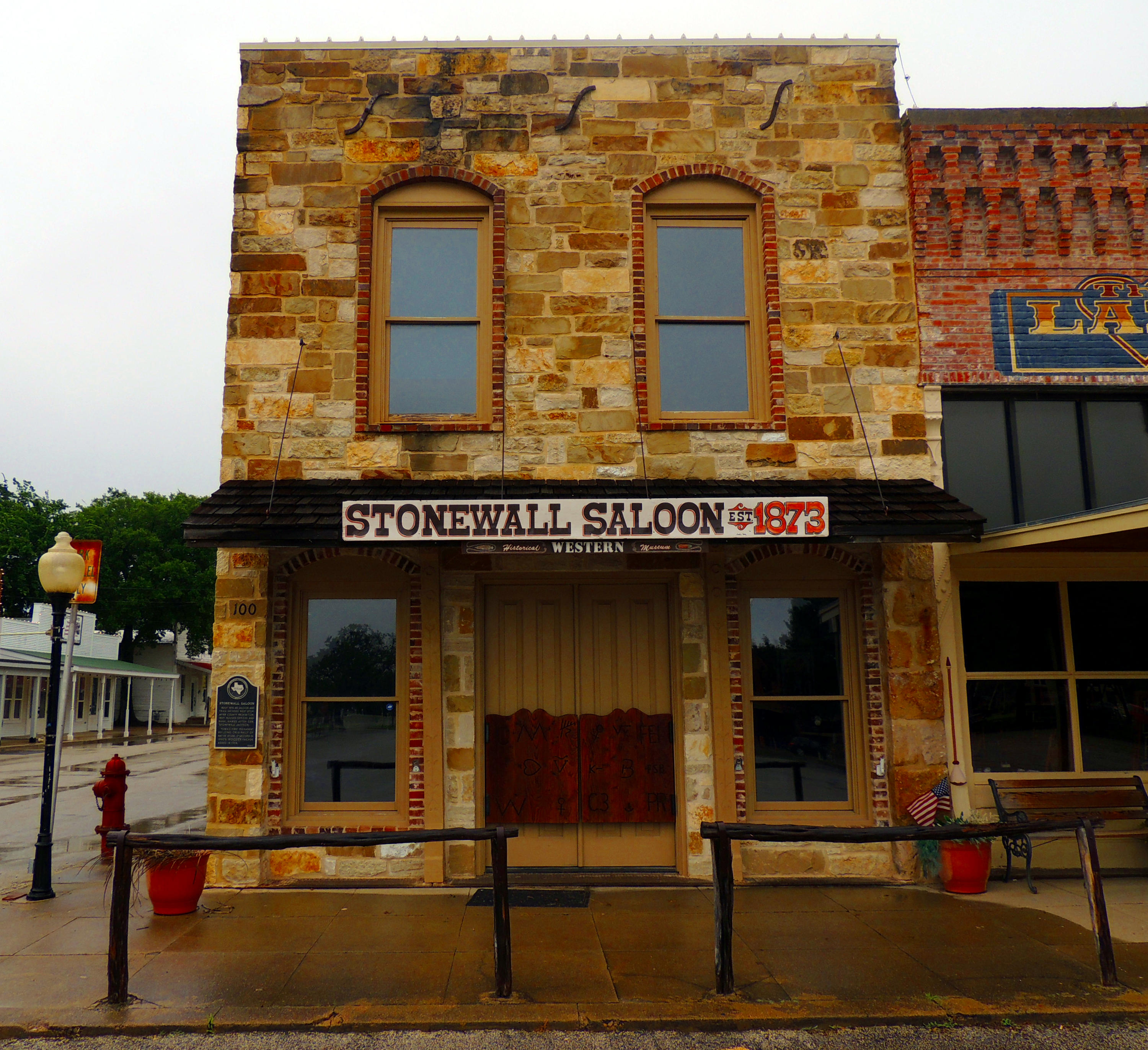
The Stonewall Saloon in Saint Jo, Texas — established 1873, the oldest standing structure in town and a Chisholm Trail-era drover stop. Now the Stonewall Saloon Museum.
Folklore

Ghost Stories of the Stonewall Saloon: Haunted Lore from Montague County

The Stonewall Saloon Museum in Saint Jo (built 1873) is one of Montague County's oldest structures and a subject of local ghost lore. These paranormal traditions are presented as oral tradition, not documented history.

Read article →
Oral tradition only; limited corroboration
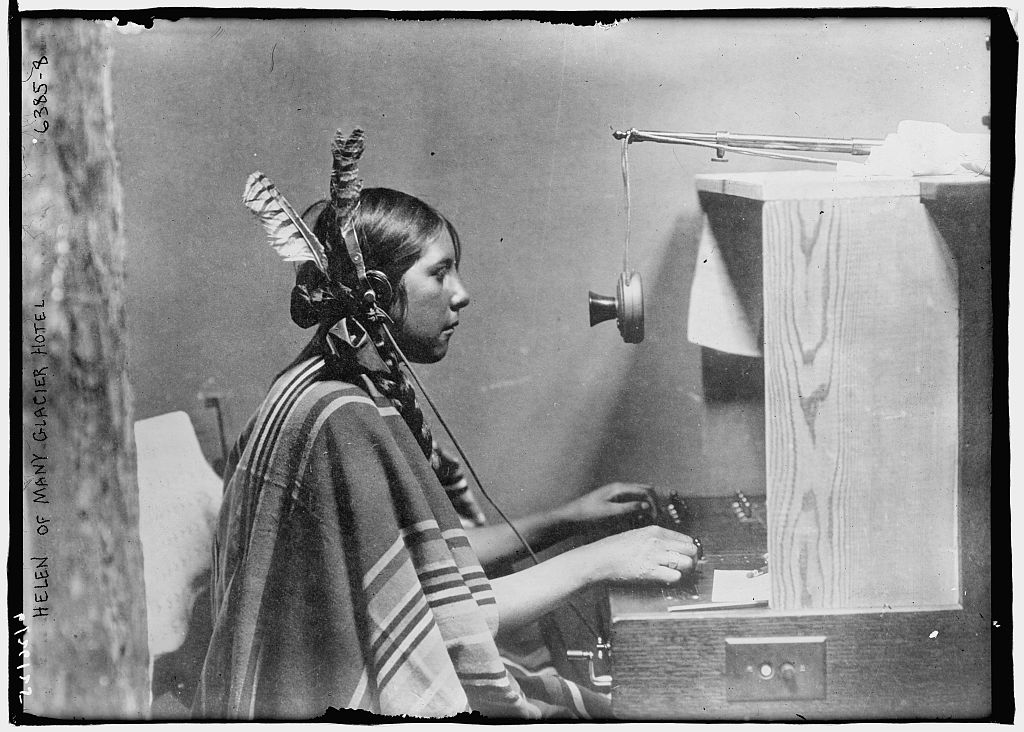
Telephone switchboard operator at work, circa 1925 — representative of the female operators who staffed Bell System exchanges like the Bowie exchange during the 'Sarah' legend era
Folklore

The 'Sarah' Ghost of Downtown Bowie

The 'Sarah' legend describes a downtown Bowie telephone operator whose ghost is said to haunt a block of N. Mason Street. No primary-source documentation has been found confirming a named operator who died here — but the oral tradition is real, the history of women's telephone work is documented, and the building block is genuine.

Read article →
Oral tradition only; limited corroboration
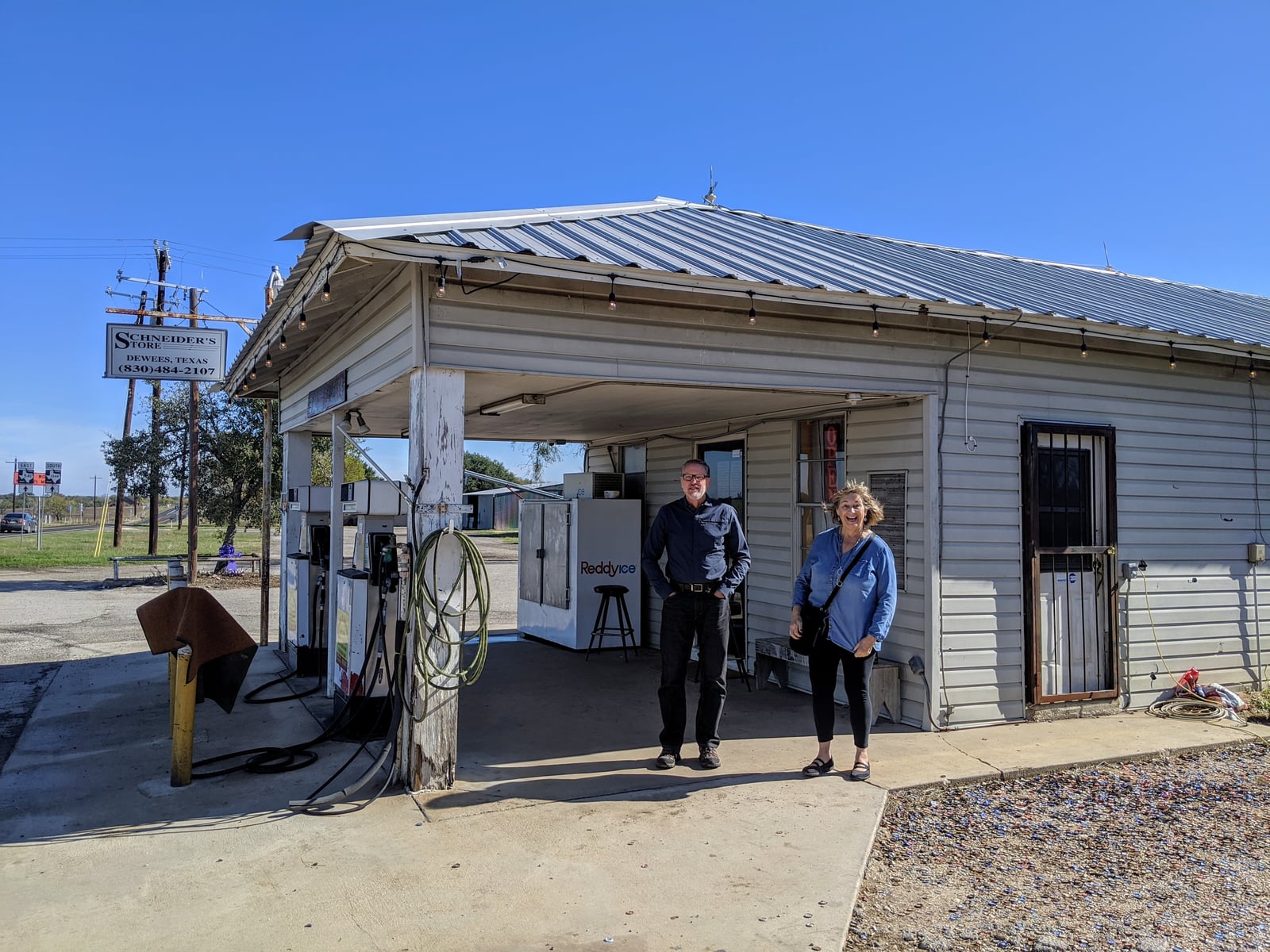
Schneider's Store in Dewees, a declining Texas small town — the kind of rural settlement that generates ghost-town folklore like Belcherville
Folklore

The Hauntings of Belcherville: Ghost Town Lore of Montague County

Belcherville, a shrinking railroad-and-orchard community along US-82 in northern Montague County, carries the ghost-town folklore typical of declining Texas small places. These stories are oral tradition, not documented history.

Read article →
Oral tradition only; limited corroboration