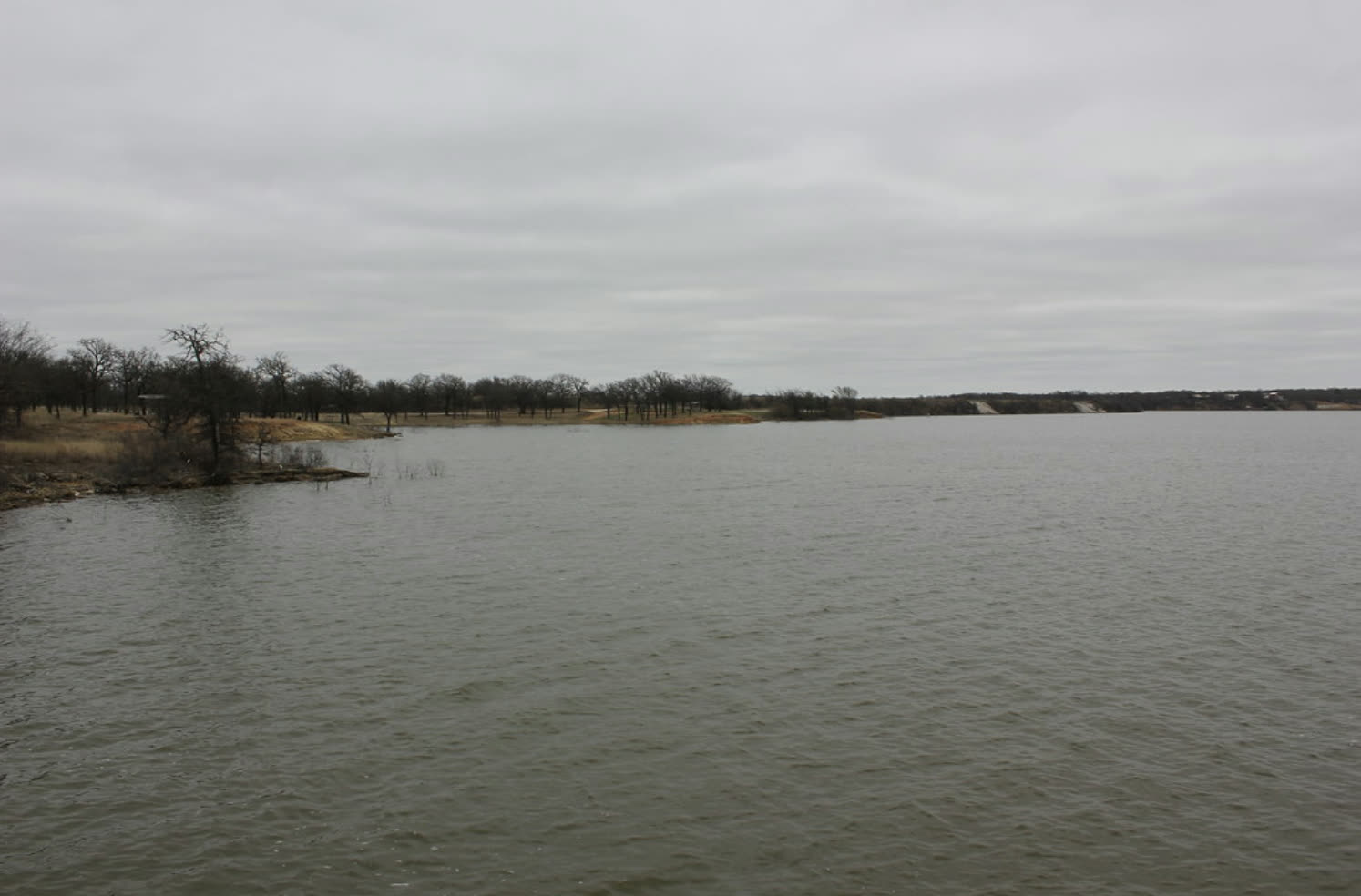
Lake Nocona
Lake Nocona
1,362-acre reservoir north of Nocona: built in 1960 on Farmers Creek, managed by the North Montague County Water Supply District, and the primary water source and recreational hub for the Nocona area.
View →PLACES
Not the thirteen towns — those each have their own page. These are the specific buildings, squares, water bodies, ruins, and roadside stops worth knowing about before you drive through. Some are historic. Some are just good.
1,362-acre reservoir north of Nocona: built in 1960 on Farmers Creek, managed by the North Montague County Water Supply District, and the primary water source and recreational hub for the Nocona area.
View →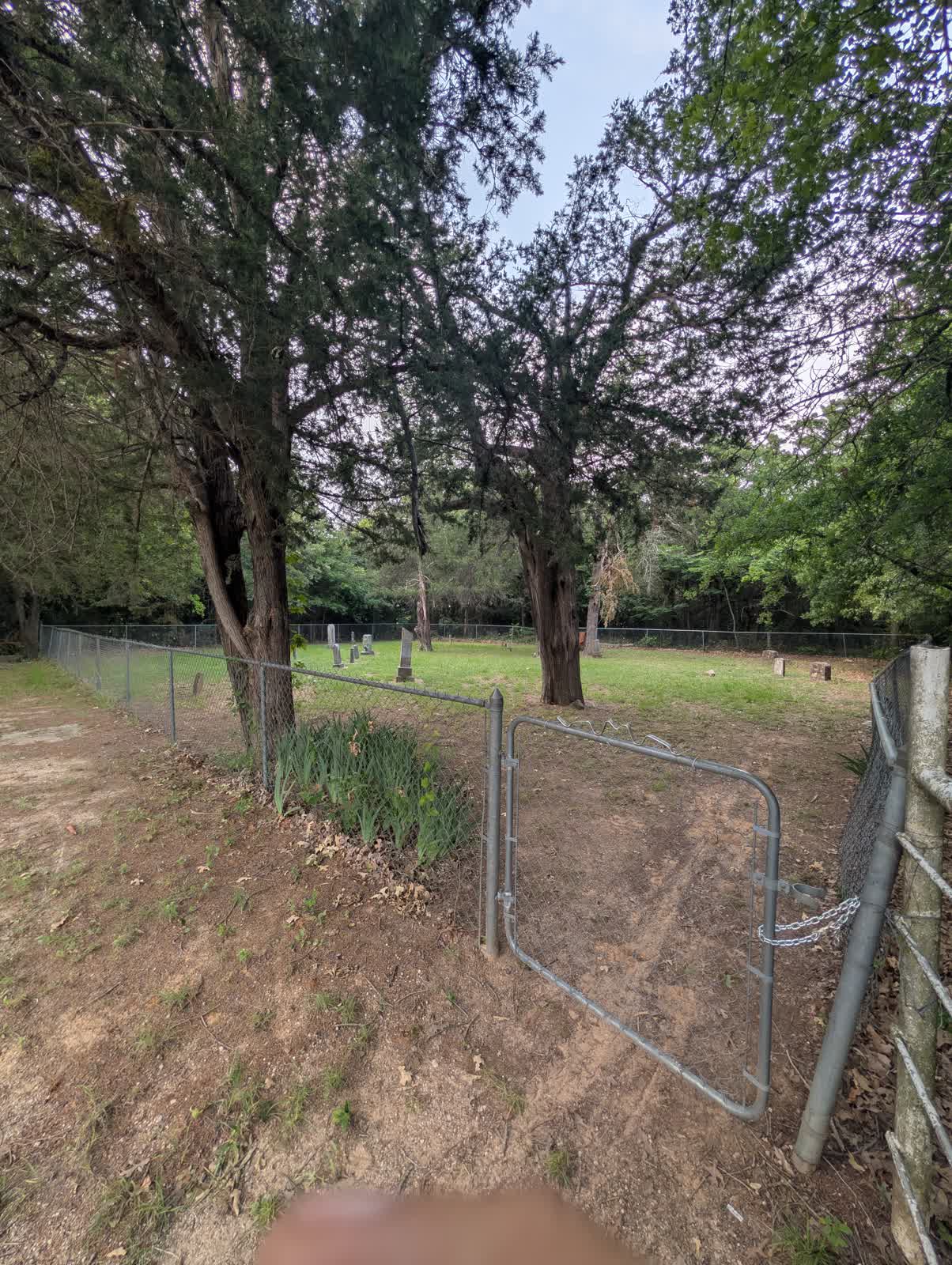
Small unincorporated locality in southwestern Montague County, near the Wise County line: anchored today by a family cemetery and rural ranchland.
View →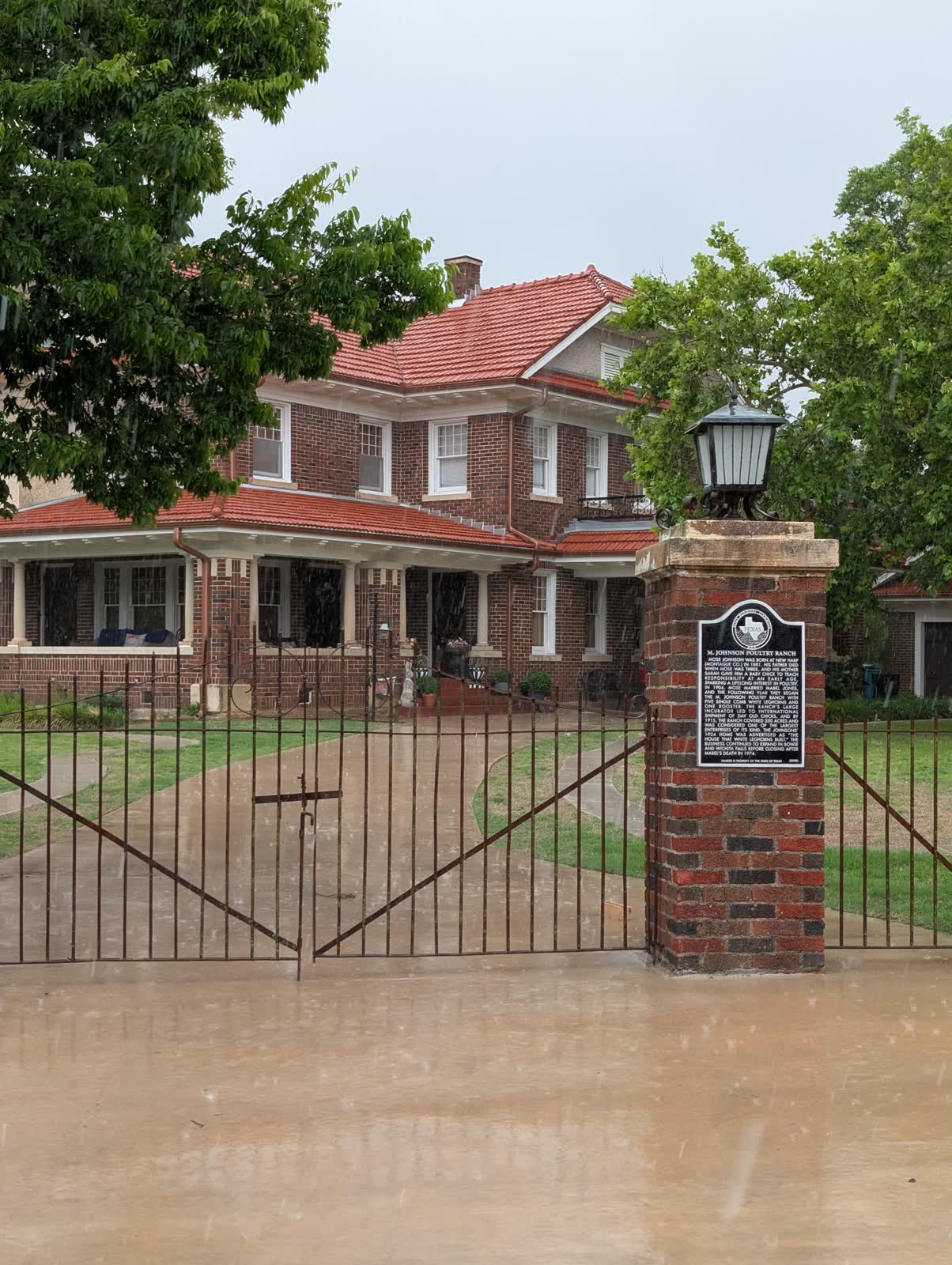
350-acre White Leghorn ranch in Bowie: founded 1905, once billed the world's largest poultry farm, closed 1974; THC marker at South Mills and Mayor.
View →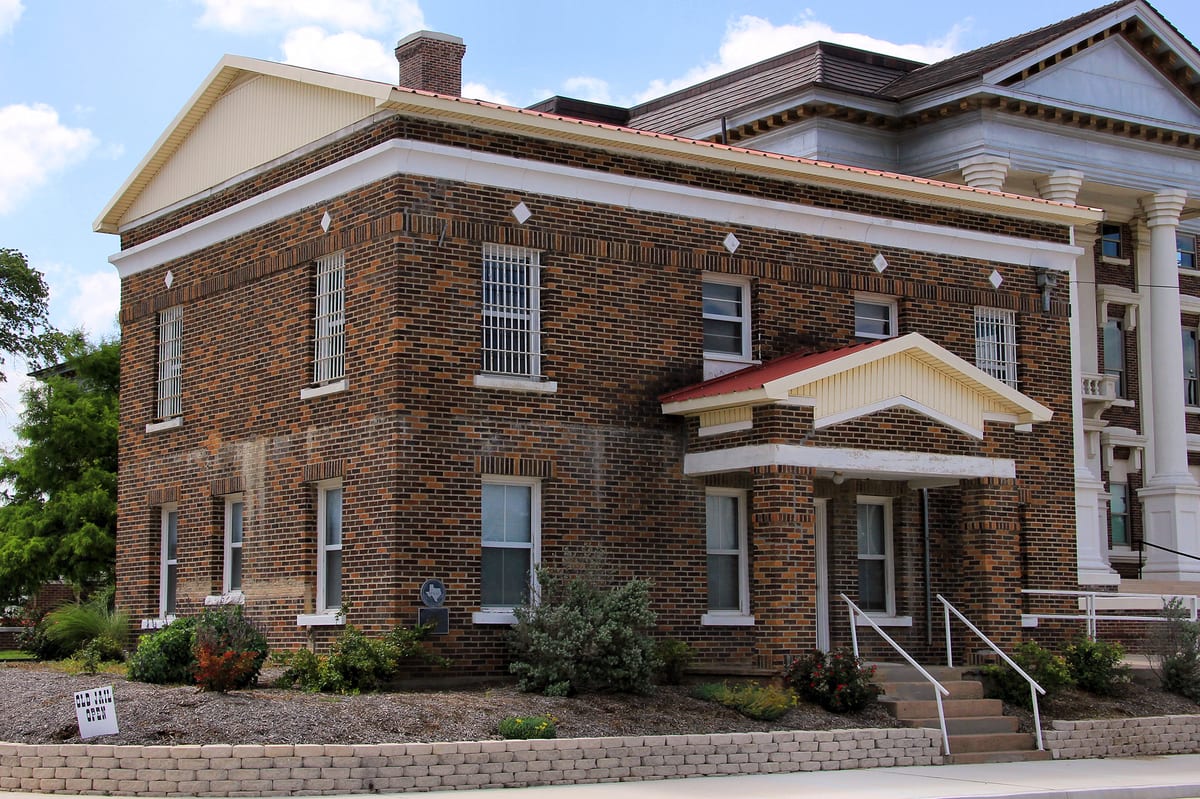
1927 jail on Montague's courthouse square: 53 years as the county lockup, museum since 1996 with cells upstairs and the sheriff's family quarters downstairs.
View →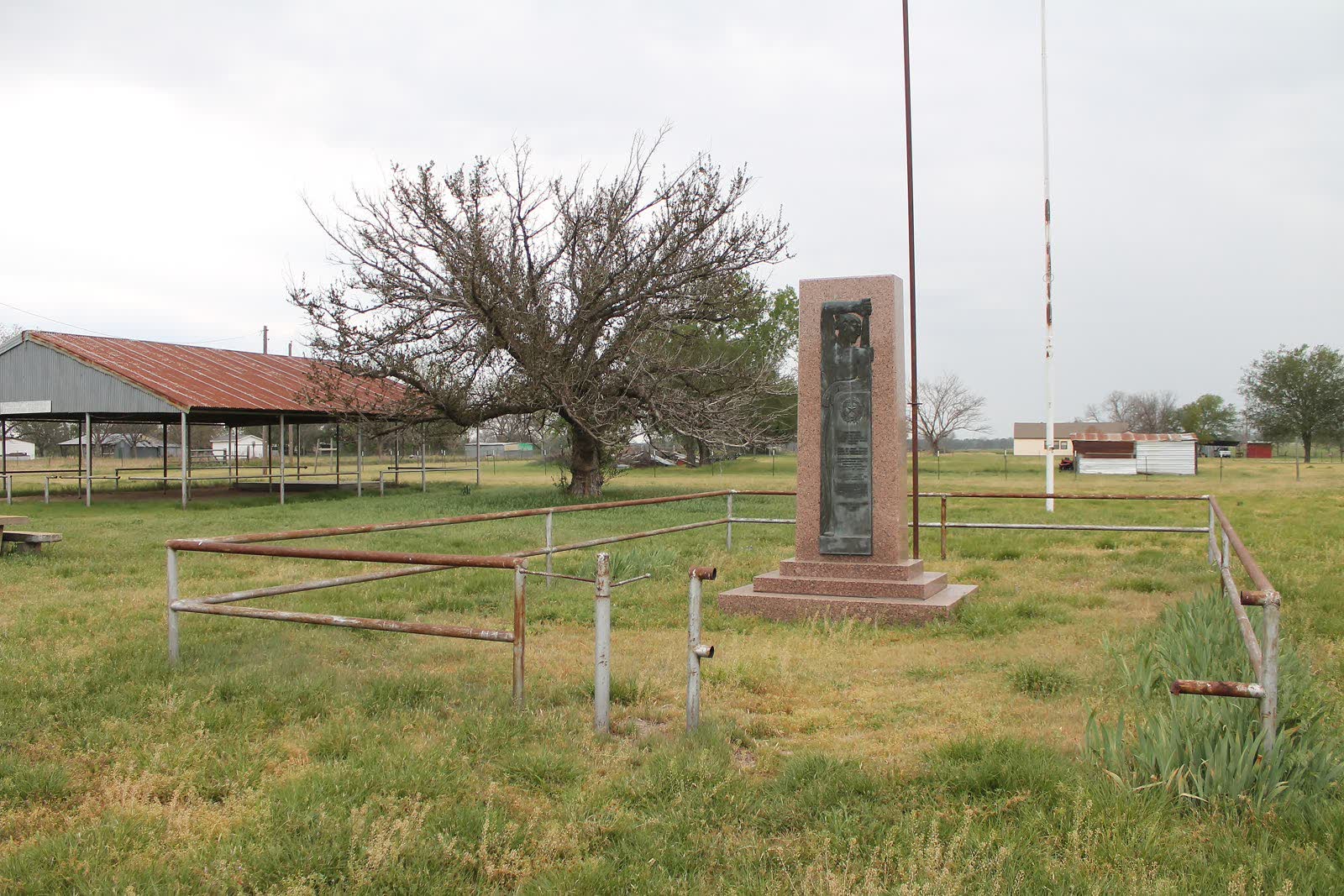
The site known as Old Spanish Fort in northern Montague County was never a Spanish fort. It was a Taovaya fortified village whose defenders beat a Spanish army in 1759. Six centuries of occupation, one battle, and a ghost town.
View →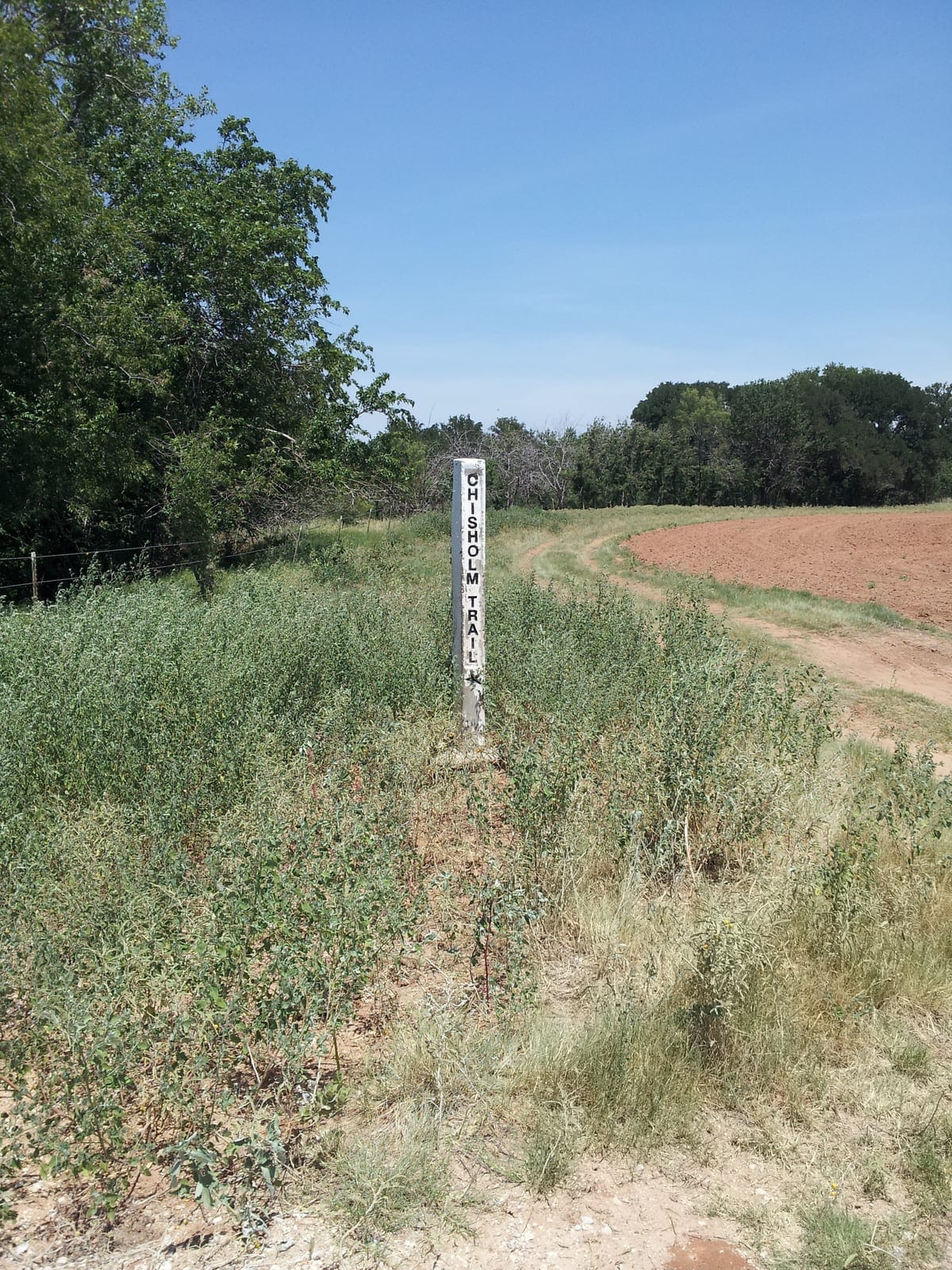
Historic Chisholm Trail crossing on the Red River in northwestern Montague County: the primary ford where millions of longhorns crossed from Texas into Indian Territory from 1867 through the early 1880s.
View →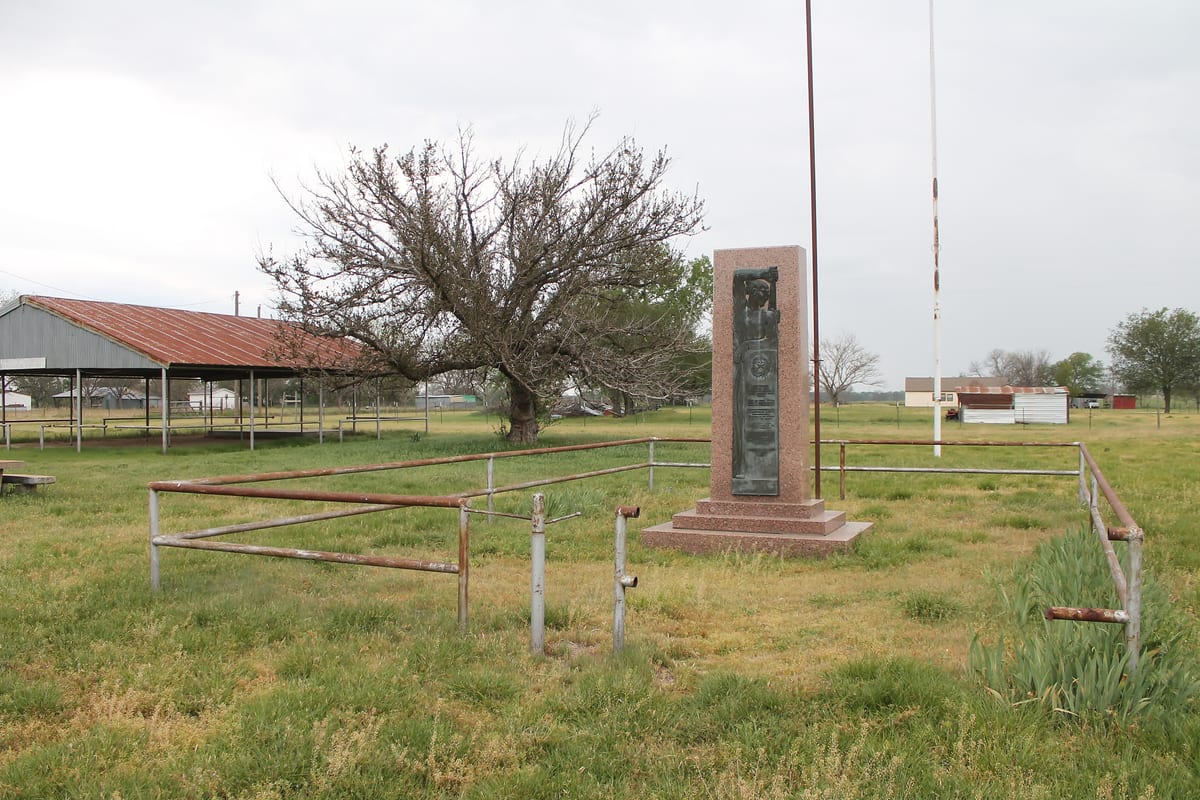
Ghost town in northern Montague County: 1759 battle site where Taovaya defenders beat a Spanish army, and where H.J. Justin opened his first boot shop in 1879.
View →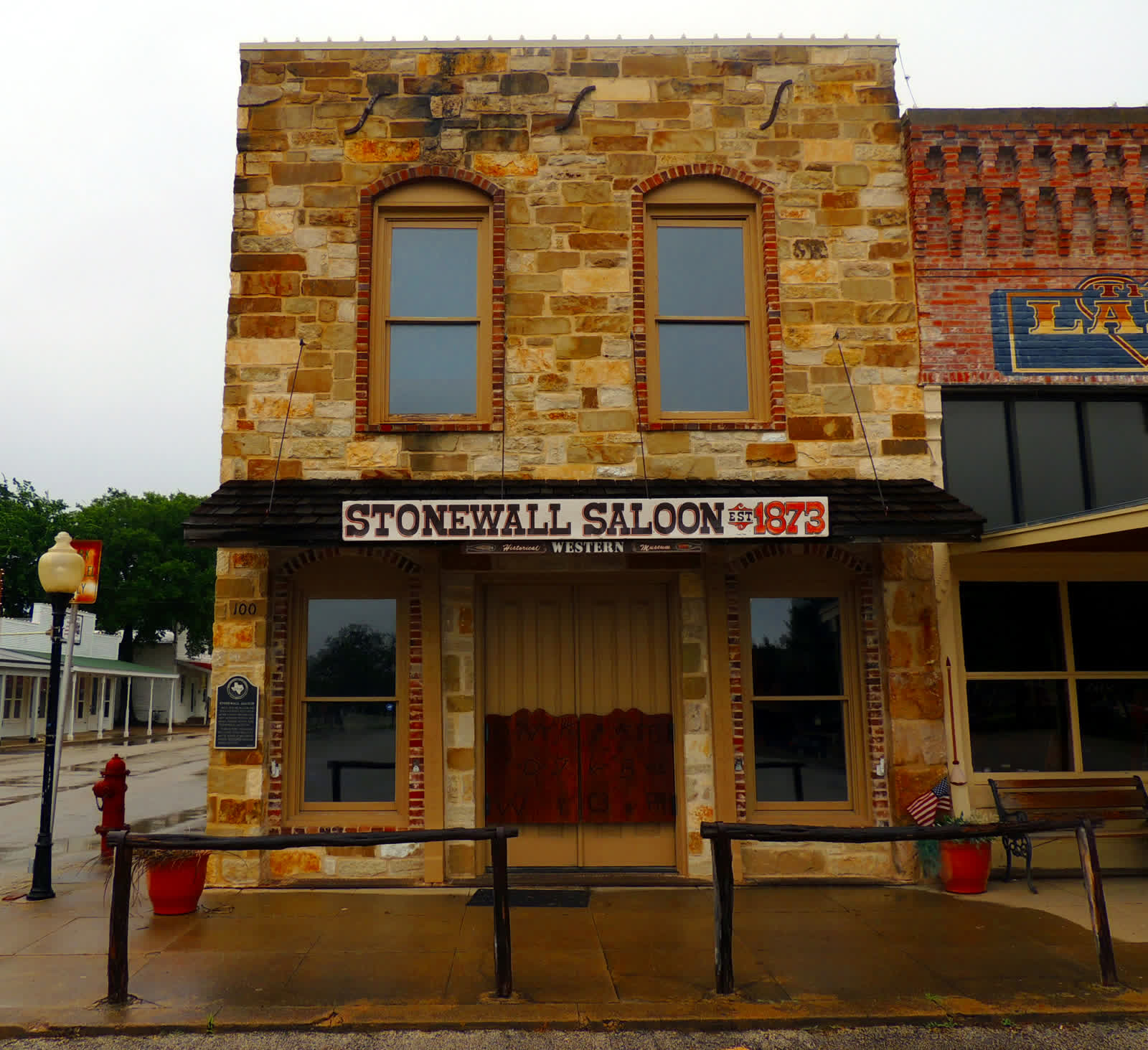
The 1873 stone building that was Saint Jo's first permanent structure, built as a saloon for Chisholm Trail drovers and now operating as a community heritage museum at 100 South Main Street.
View →Unincorporated community in Montague County, named for the orchard-belt agriculture that characterized the area during the county's late nineteenth and early twentieth century farming era.
View →1,540-acre reservoir south of Bowie: built in 1956 to answer the worst drought in Texas history, managed by the City of Bowie, named for the Fort Worth publisher who shaped north Texas for half a century.
View →The Friday email
One spotlight, five local events, no spam. Lands before coffee gets cold.